







Understanding Glazing for Timber Windows & Doors

Windows and doors are often judged by their appearance. The profile of a sash window, the proportions of a French door or the craftsmanship visible in a timber frame all influence how a building looks and feels.
Much of a window’s performance, however, comes down to the glass.
The glazing selected for a project influences thermal comfort, condensation, noise levels and energy efficiency. It can also affect the appearance of the joinery itself, particularly in heritage and character homes where maintaining original proportions is important.
Glazing technology has changed significantly over the past few decades. Double glazing is now common in new homes, Low-E coatings are increasingly specified and acoustic glazing is being used in situations where noise was once accepted as part of everyday life.
The challenge is understanding which options are worth considering for your particular project.
Why Glazing Deserves Attention
Glass is one of the largest uninterrupted surfaces in most buildings.
When a room feels cold during winter, suffers from condensation or struggles with external noise, the windows are often playing a role.
This is particularly true in older homes where original single glazing remains in place.
While improvements to insulation, heating and ventilation all contribute to comfort, glazing can have a significant influence on how a building performs throughout the year.
The most appropriate solution depends on the age of the building, its location and the objectives of the project.
Single Glazing
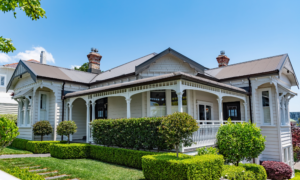
Many villas, bungalows and heritage buildings still contain original single glazing. For decades this was standard practice and, in many cases, the original glass remains part of the building’s character.
Single glazing consists of one pane of glass installed within the joinery.
While entirely appropriate for its time, it offers relatively little resistance to heat transfer.
During colder months, the inside surface of the glass can become significantly cooler than the surrounding room, increasing the likelihood of condensation and heat loss.
This does not mean every heritage building should immediately abandon single glazing.
The decision should be made in the context of the building’s heritage significance, performance expectations and available upgrade options.
Double Glazing
Double glazing has become the standard for most new homes and is increasingly incorporated into renovation projects.
Two panes of glass are separated by a sealed cavity, creating an insulating barrier that reduces the transfer of heat through the window.
The difference is often most noticeable during winter. Internal glass surfaces remain warmer, rooms tend to feel more stable in temperature and condensation is generally reduced.
For many projects, double glazing represents the most significant performance improvement available without altering the appearance of the building.
One of the misconceptions we still encounter is that timber windows cannot be double glazed.
Modern timber joinery can readily accommodate double glazing and, in many cases, heritage-style windows can be upgraded while retaining the character and proportions that make them attractive in the first place.
Low-E Glass
Low-E, or low emissivity glass, has become increasingly common in both residential and commercial projects.
A microscopic coating is applied to the glass during manufacture. The coating is designed to influence the movement of heat while still allowing natural light to enter the building.
In practical terms, Low-E glass can improve thermal performance without requiring noticeable changes to the appearance of the window.
It is often specified alongside double glazing where improved energy efficiency and year-round comfort are priorities.
Like many building products, its value depends on the specific project. In some situations the difference can be significant. In others, the benefits may be less pronounced.
Understanding how the building is oriented, how it is used and what performance objectives exist should always be part of the conversation.
Acoustic Glazing
Traffic, aircraft, commercial activity and increasing urban density have made noise a consideration on many projects.
Acoustic glazing is designed to reduce the transmission of sound through the window system.
There is no single acoustic glazing product. Solutions may involve laminated glass, varying glass thicknesses or specific glazing configurations depending on the type of noise being addressed.
A property located beneath a flight path presents different challenges from a building facing a busy urban street.
For that reason, acoustic performance is best considered as part of the overall design rather than as a standalone product selection.
Glazing is often discussed in terms of performance figures, product specifications and technical features. Those details matter, but they are only part of the picture.
The most successful projects begin with an understanding of the building itself. A heritage villa, a coastal retreat and a contemporary architectural home each present different opportunities and constraints. The glazing that performs exceptionally well in one setting may not be the most appropriate choice in another.
Good glazing decisions consider more than thermal performance alone. They take into account architecture, orientation, noise, heritage requirements, maintenance expectations and the way the building will be used over time.
The objective is not necessarily to specify the most advanced glazing available. It is to find a solution that supports the character of the building while improving comfort, durability and everyday enjoyment.
When considered alongside well-designed timber joinery, glazing becomes more than a technical component. It becomes part of the overall experience of living and working within a building.
For projects involving timber windows and doors, early conversations around glazing often lead to better outcomes than treating it as a decision to be made at the end of the design process.
Choosing the Right Window Style
Window selection influences both appearance and everyday functionality.
The best choice depends on ventilation requirements, architectural style and how the space will be used.
Double-Hung Windows
A defining feature of many villas and traditional homes.
Double-hung windows provide excellent ventilation and maintain authentic heritage proportions.
Best suited to:
- Villas
- Heritage homes
- Traditional architecture
Casement Windows
Casement windows are hinged at the side and open outward.
They provide excellent airflow and suit a wide variety of architectural styles.
Best suited to:
- Character homes
- Contemporary homes
- Bedrooms and living areas
Awning Windows
Awning windows are hinged at the top and open outward from the bottom.
They are particularly useful where ventilation is required during wet weather.
Best suited to:
- Bathrooms
- Kitchens
- Contemporary designs
Fixed Windows
Fixed glazing allows maximum light and uninterrupted views.
They are often used in conjunction with opening windows to balance ventilation and aesthetics.
Best suited to:
- Feature spaces
- Architectural homes
- Scenic locations
Choosing the Right Door Style
Doors perform both a practical and architectural function.
They influence circulation, connection and first impressions.
Entrance Doors
The front door is often one of the most visible elements of a home.
Panelled timber doors suit heritage properties, while contemporary designs often favour simplicity and clean detailing.
French Doors
French doors continue to be a popular choice in villas, bungalows and character homes.
They provide a strong connection to outdoor living areas while maintaining traditional proportions.
Sliding Doors
Sliding doors offer a clean and practical solution for contemporary homes.
They maximise usable floor space and create seamless connections between interior and exterior areas.
Bi-fold Doors
Bi-fold systems allow large openings and can create strong links between living spaces and outdoor entertaining areas.
They are particularly effective where wide openings are required.
Pivot Doors
Large pivot doors have become a feature of many contemporary homes.
Their scale and simplicity create a strong architectural statement. Fixings should be installed in accordance with project specifications and applicable building requirements.
Appropriate fasteners should be selected for the environmental conditions and substrate.
Finishing Requirements
The timber selected for a project influences appearance, durability, maintenance requirements and long-term performance.
There is rarely a single “best” option. The most suitable timber depends on the style of home, the intended finish and the environment in which the joinery will be installed.
Appearance
Some timbers feature strong grain patterns and natural character. Others provide a more subtle appearance that works particularly well beneath painted finishes.
Understanding how the timber will look once finished is often one of the most important considerations for homeowners.
Durability
Different timber species offer different levels of natural durability.
Environmental conditions, exposure to weather and the design of the building all influence which materials are most appropriate.
Painted or Natural Finishes
One of the most significant aesthetic decisions is how the timber will be finished.
Painted Timber
Painted finishes remain the most common choice for villas, bungalows and traditional homes.
They highlight architectural detailing and provide flexibility when exterior colour schemes change over time. White continues to be a popular choice, although darker colours and softer contemporary tones are increasingly common.
Stained Timber
Stained finishes reveal the grain and texture of the timber while adding colour and protection.
They are often chosen where the natural character of the material is intended to remain visible.
Clear Finishes
Clear coatings showcase the timber with minimal colour change. This approach is frequently used in contemporary homes where timber is intended to become a feature element.
The Small Details That Make a Big Difference
Experienced designers understand that good joinery is often defined by details that many people never consciously notice.
Profiles and Mouldings
The shape of glazing beads, architraves, sills and mouldings contributes significantly to the overall appearance of the joinery. Well-proportioned profiles help create authenticity and visual balance.
Glazing Bars
Glazing bars can completely alter the character of a window. Traditional patterns suit heritage homes, while simpler arrangements often complement contemporary architecture.
Hardware
Handles, hinges and catches should be considered as part of the overall design rather than selected as an afterthought. The right hardware can reinforce the architectural style of the home.
Sightlines
The visible width of frames, sashes and glazing bars affects the overall elegance of the joinery.
Subtle changes can dramatically alter the appearance of a window or door.