

Timber Performance & Durability

Understanding how timber behaves, performs and ages over time
Timber has been used in New Zealand buildings for generations.
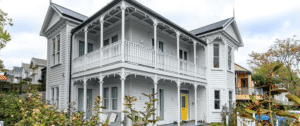
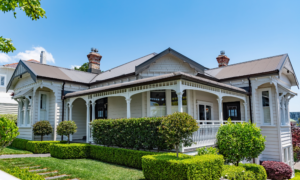
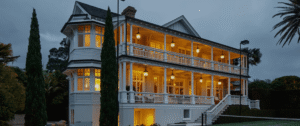
Its natural appearance, versatility and longevity have made it a preferred material for everything from heritage villas and bungalows to contemporary architectural homes.
Like any building material, timber has characteristics that influence how it performs over time. Understanding those characteristics helps homeowners, architects and builders make informed decisions about design, maintenance and long-term performance.
This guide explains how timber responds to its environment, what contributes to durability and why timber continues to be one of the most trusted materials for high-quality joinery.
Why Timber Remains a Popular Choice
Few materials offer the combination of warmth, craftsmanship and adaptability that timber provides.
Timber joinery can be crafted to suit virtually any architectural style, from faithfully reproduced heritage windows to large contemporary openings with clean, modern detailing.
It is also a renewable resource, easy to repair and capable of delivering decades of service when properly maintained.
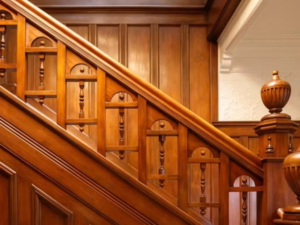
For many projects, timber offers a level of character and authenticity that alternative materials struggle to replicate.
Timber Is a Natural Material
One of timber’s greatest strengths is also one of its defining characteristics.
Unlike manufactured materials, timber is a natural product. It responds to changes in temperature and moisture throughout its life.
This movement is normal and expected.
Good joinery design accounts for these natural characteristics, allowing timber to perform as intended while maintaining its appearance and functionality.
Understanding that timber is a living material helps explain why quality manufacturing, correct installation and ongoing maintenance all play an important role in long-term performance.
Understanding Timber Movement
Timber expands and contracts as moisture levels change.
Seasonal changes, humidity and environmental conditions all influence this process.
In practice, this movement is usually small and often goes unnoticed. However, it is one of the reasons experienced joinery manufacturers pay close attention to timber selection, moisture content and manufacturing techniques.
Well-designed timber joinery accommodates this natural movement while maintaining smooth operation and weather performance.
The goal is not to eliminate movement entirely. The goal is to manage it.
Durability and Environmental Exposure
Not all environments place the same demands on timber joinery.
A protected urban site experiences different conditions from a coastal property exposed to salt-laden air and prevailing weather.
Factors influencing durability include:
- Exposure to sunlight
- Moisture levels
- Coastal conditions
- Wind exposure
- Building design
- Surface protection systems
The most appropriate timber and finishing system will often depend on the environment in which the joinery is being installed.
Coastal Environments
New Zealand’s coastline creates some of the most demanding conditions for exterior joinery.
Salt, wind and increased UV exposure can accelerate wear if materials and finishes are not selected appropriately.
This does not mean timber should be avoided in coastal locations.
Many coastal homes successfully utilise timber joinery. The key is selecting suitable materials, applying appropriate protective finishes and maintaining those finishes over time.
Regular inspections and maintenance become increasingly important in high-exposure environments.
Timber and Moisture
Moisture management plays a significant role in the long-term performance of any timber product.
Modern joinery design incorporates detailing that helps shed water, promote drainage and minimise moisture retention.
Correct installation is equally important.
Even the highest-quality joinery can experience problems if flashing systems, sealants or weatherproofing details are not installed correctly.
Protecting timber from prolonged moisture exposure remains one of the most effective ways to maximise service life.
Engineered Timber
Advances in timber technology have expanded the range of options available to designers and homeowners.
Engineered timber products combine multiple timber components to improve consistency and stability.
These products can offer advantages in certain applications, particularly where large sections or enhanced dimensional stability are required.
The suitability of engineered timber depends on the project, design requirements and intended finish.
The Role of Finishes
Paints, stains and clear coatings do more than influence appearance.
They form an important part of the protection system that helps timber perform over time.
A quality finishing system helps:
- Reduce moisture absorption
- Protect against UV exposure
- Enhance durability
- Maintain appearance
- Extend maintenance intervals
The most appropriate finish will depend on the style of home, timber selection and environmental conditions.
Maintenance Expectations
One of the common misconceptions surrounding timber joinery is that it requires excessive maintenance.
Like any exterior building material, timber benefits from regular inspection and care.
Maintenance requirements are influenced by:
- Environmental exposure
- Finish type
- Building design
- Orientation
- Local climate conditions
Addressing minor issues early often prevents more significant maintenance requirements later.
Well-maintained timber joinery can continue performing for many decades.
Sustainability and Timber
Timber remains one of the most environmentally responsible building materials available when sourced from responsibly managed forests.
As a renewable resource, timber stores carbon throughout its life and typically requires less energy to produce than many alternative construction materials.
Its longevity, repairability and ability to be refurbished rather than replaced also contribute to its sustainability credentials.
For many projects, timber aligns well with both environmental objectives and long-term value considerations.
Common Questions
Does timber always move?
Yes. All timber responds to changes in moisture and environmental conditions. Good design and manufacturing account for this natural behaviour.
Is timber suitable for coastal locations?
Yes. Appropriate timber selection, finishing systems and ongoing maintenance are particularly important in exposed coastal environments.
How long does timber joinery last?
There is no single answer. Service life depends on design, installation, environmental conditions and maintenance. Well-maintained timber joinery can provide decades of reliable performance.
Is engineered timber better than solid timber?
Each has advantages. The most suitable option depends on the project requirements, design intent and performance objectives.
Timber has remained a trusted building material because it combines performance, durability and beauty in a way few materials can.
Its natural characteristics require understanding and care, but they are also part of what gives timber its appeal.
When quality materials, skilled craftsmanship, appropriate finishes and ongoing maintenance come together, timber joinery can continue performing for generations.
Understanding how timber behaves is the first step towards making informed decisions that support both the appearance and longevity of a building.
Still got questions?
Our team are here to help