

The Timber Style Guide

Inspiration and practical advice for character homes, heritage restorations and architectural builds
Joinery shapes the way a home looks, feels and functions.
The proportions of a window can influence the character of a façade. The detailing around an entrance door can create a sense of arrival. Large glazed openings can connect living spaces to gardens, courtyards and views.
These decisions often receive less attention than kitchens, bathrooms or flooring, yet they have a lasting impact on the appearance and enjoyment of a home.
For homeowners planning a renovation, restoration or new build, the challenge is rarely a lack of options. More often, it’s knowing which options are right for the style of home, the architecture and the way the space will be used.
This guide explores common window and door styles, finishing options and design considerations to help you create joinery that feels at home within the architecture.
Understanding Your Home’s Architecture
Good joinery feels like it belongs.
The most successful projects begin with an understanding of the home’s architectural language and the role the joinery plays within it.
Villas
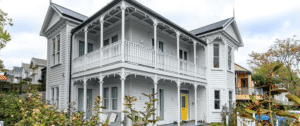
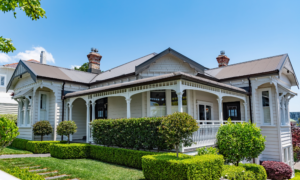
Victorian and Edwardian villas are defined by elegant proportions, decorative detailing and strong street presence.
Original villas often feature:
- Double-hung sash windows
- Decorative glazing bars
- Panelled entrance doors
- Detailed architraves and mouldings
When replacing or restoring joinery, maintaining these proportions is often more important than replicating every detail exactly.
Well-considered upgrades can improve comfort and performance while preserving the character that makes a villa special.
Bungalows
Bungalows typically feature wider proportions and simpler detailing than villas.
Window arrangements are often more horizontal, and the relationship between interior and exterior spaces becomes increasingly important.
Timber joinery suits bungalow architecture particularly well because it complements the natural materials and craftsmanship associated with the period.
Character Homes
Character homes encompass a wide range of architectural styles and periods.
Many have undergone multiple renovations over the years, resulting in a mixture of original features and later additions.
Joinery decisions should help bring coherence to the home while respecting the elements that contribute to its character.
Contemporary Homes
Timber is often associated with traditional architecture, but it performs equally well in modern homes.
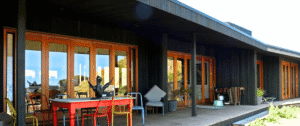
Clean lines, large openings and minimalist detailing allow timber to become a feature in its own right.
Natural finishes can introduce warmth and texture, creating contrast against concrete, steel and glass.
Restore, Repair or Replace?
One of the first decisions homeowners face is whether existing joinery should be retained, repaired or replaced. The answer is rarely straightforward.
Many of the homes we work on have already seen decades of repairs, repainting and alterations. What appears to be a simple restoration project can sometimes reveal significant deterioration beneath the surface. In other cases, windows that look tired from the outside may still have many years of life remaining. A thorough assessment is usually the best starting point.
When Restoration Makes Sense
Restoration is often appropriate where the original joinery remains structurally sound and contributes significantly to the character of the home.
Repairs may include:
- Replacing deteriorated timber sections
- Refurbishing hardware
- Repairing glazing putty
- Restoring decorative mouldings
- Improving operation and weather sealing
For many heritage homes, restoration helps preserve original craftsmanship while extending the life of the joinery.
When Replacement May Be the Better Option
Some joinery reaches a point where ongoing repairs no longer represent the best long-term solution.
Replacement may be considered where:
- Timber deterioration is extensive
- Previous repairs have compromised the original joinery
- Significant performance improvements are required
- Heritage requirements allow replacement
- The cost of restoration exceeds the value of the outcome
The goal is not simply to replace old windows and doors. It is to achieve the best long-term result for the property.
Balancing Character and Performance
Many projects sit somewhere between restoration and replacement.
Original detailing can often be retained while incorporating modern improvements such as double glazing, improved weather sealing and updated hardware.
The most successful projects begin with a clear understanding of what makes the home special and how those qualities can be preserved.
Choosing the Right Window Style
Window selection influences both appearance and everyday functionality.
The best choice depends on ventilation requirements, architectural style and how the space will be used.
Double-Hung Windows
A defining feature of many villas and traditional homes.
Double-hung windows provide excellent ventilation and maintain authentic heritage proportions.
Best suited to:
- Villas
- Heritage homes
- Traditional architecture
Casement Windows
Casement windows are hinged at the side and open outward.
They provide excellent airflow and suit a wide variety of architectural styles.
Best suited to:
- Character homes
- Contemporary homes
- Bedrooms and living areas
Awning Windows
Awning windows are hinged at the top and open outward from the bottom.
They are particularly useful where ventilation is required during wet weather.
Best suited to:
- Bathrooms
- Kitchens
- Contemporary designs
Fixed Windows
Fixed glazing allows maximum light and uninterrupted views.
They are often used in conjunction with opening windows to balance ventilation and aesthetics.
Best suited to:
- Feature spaces
- Architectural homes
- Scenic locations
Choosing the Right Door Style
Doors perform both a practical and architectural function.
They influence circulation, connection and first impressions.
Entrance Doors
The front door is often one of the most visible elements of a home.
Panelled timber doors suit heritage properties, while contemporary designs often favour simplicity and clean detailing.
French Doors
French doors continue to be a popular choice in villas, bungalows and character homes.
They provide a strong connection to outdoor living areas while maintaining traditional proportions.
Sliding Doors
Sliding doors offer a clean and practical solution for contemporary homes.
They maximise usable floor space and create seamless connections between interior and exterior areas.
Bi-fold Doors
Bi-fold systems allow large openings and can create strong links between living spaces and outdoor entertaining areas.
They are particularly effective where wide openings are required.
Pivot Doors
Large pivot doors have become a feature of many contemporary homes.
Their scale and simplicity create a strong architectural statement. Fixings should be installed in accordance with project specifications and applicable building requirements.
Appropriate fasteners should be selected for the environmental conditions and substrate.
Choosing the Right Timber
The timber selected for a project influences appearance, durability, maintenance requirements and long-term performance.
There is rarely a single “best” option. The most suitable timber depends on the style of home, the intended finish and the environment in which the joinery will be installed.
Appearance
Some timbers feature strong grain patterns and natural character. Others provide a more subtle appearance that works particularly well beneath painted finishes.
Understanding how the timber will look once finished is often one of the most important considerations for homeowners.
Durability
Different timber species offer different levels of natural durability.
Environmental conditions, exposure to weather and the design of the building all influence which materials are most appropriate.
Painted or Natural Finishes
Some timbers are selected specifically because they provide an excellent substrate for paint systems.
Others are chosen because their natural colour and grain are intended to remain visible through stains or clear finishes.
Sustainability
Timber remains one of the most sustainable building materials available when sourced responsibly.
Many homeowners are increasingly interested in understanding where materials come from and how they are managed.
Matching the Home
A heritage villa, a coastal retreat and a contemporary architectural home may each call for a different approach.
The timber should complement the architecture, the detailing and the desired finish rather than being selected in isolation.
A Tailored Recommendation
PK Joinery works with a range of native, exotic and plantation-grown timbers depending on project requirements, availability and design objectives.
Our team can help identify the most suitable options based on the style of home, performance expectations and long-term maintenance considerations.
Painted or Natural Timber?
One of the most significant aesthetic decisions is how the timber will be finished.
Painted Timber
Painted finishes remain the most common choice for villas, bungalows and traditional homes.
They highlight architectural detailing and provide flexibility when exterior colour schemes change over time. White continues to be a popular choice, although darker colours and softer contemporary tones are increasingly common.
Stained Timber
Stained finishes reveal the grain and texture of the timber while adding colour and protection. They are often chosen where the natural character of the material is intended to remain visible. Stained timber requires more maintenance than painted.
Clear Finishes
Clear coatings showcase the timber with minimal colour change. Suitable for interior joinery, this approach is frequently used in contemporary homes where timber is intended to become a feature element.
The Small Details That Make a Big Difference
Experienced designers understand that good joinery is often defined by details that many people never consciously notice.
Profiles and Mouldings
The shape of glazing beads, architraves, sills and mouldings contributes significantly to the overall appearance of the joinery. Well-proportioned profiles help create authenticity and visual balance.
Glazing Bars
Glazing bars can completely alter the character of a window. Traditional patterns suit heritage homes, while simpler arrangements often complement contemporary architecture.
Hardware
Handles, hinges and catches should be considered as part of the overall design rather than selected as an afterthought. The right hardware can reinforce the architectural style of the home.
Sightlines
The visible width of frames, sashes and glazing bars affects the overall elegance of the joinery.
Subtle changes can dramatically alter the appearance of a window or door.
Balancing Character and Modern Performance
Homeowners often assume they must choose between preserving character and improving comfort.
Many projects achieve both.
Advances in glazing, weather sealing and manufacturing techniques allow timber joinery to perform at a level that would have been unimaginable when many heritage homes were originally built.
The most successful projects begin by identifying what makes a building special and ensuring those qualities remain central to the design.
Gathering Inspiration
Before making final decisions, spend time studying homes and projects that resonate with you.
Pay attention to:
- Window proportions
- Door styles
- Hardware selections
- Exterior colour palettes
- Moulding details
- Interior finishes
Photographs, architectural magazines, heritage buildings and completed projects can all provide valuable inspiration.
Creating a collection of reference images often helps clarify preferences and communicate ideas more effectively during the design process.
The Best Joinery Rarely Demands Attention
It feels appropriate to the architecture, performs reliably and contributes to the overall character of the home.
Good design decisions are often measured decades later. Joinery that feels as though it belongs today should still feel appropriate many years from now.
Taking the time to understand the architecture, explore the available options and consider the finer details will help create a result that enhances both the appearance and enjoyment of your home.