






Reproduction Timber Joinery for Historic Hobson House
Bespoke joinery to respect an established architectural character
When working within a historic home, successful new joinery shouldn’t necessarily announce itself as new.
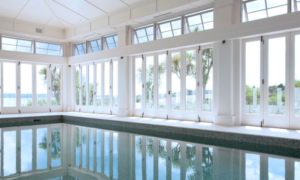
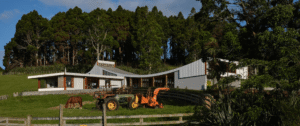
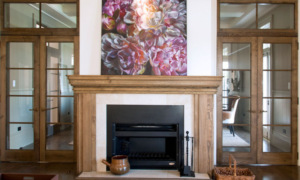
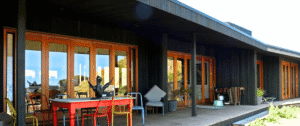
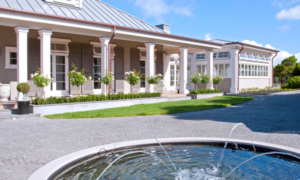
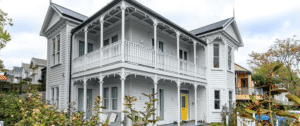
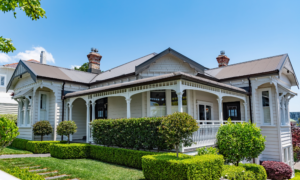
Hobson House is a notable historic estate in Remuera, with an established architectural character shaped by its proportions, materials and extensive traditional detailing. During a substantial renovation of the property, PK Joinery was engaged to manufacture bespoke timber joinery, including like-for-like work that required existing details to be carefully interpreted and reproduced.
Rather than introducing a new visual language, the objective was to create joinery that belonged within the existing home.
Led by Auckland based builders Boyd Cox + Thompson, the project demonstrates the specialist craftsmanship required when new work needs to sit comfortably alongside the old.
Project imagery courtesy of Boyd Cox + Thompson boydcox.co.nz.
Project highlights
Challenge
Creating new timber joinery sympathetic to the established detailing of a significant historic residence
Approach
Like-for-like reproduction and careful interpretation of existing architectural details
Project
Extensive renovation of Hobson House in Remuera
Outcome
Bespoke joinery designed to continue the home’s existing architectural language

Challenge
Making new joinery feel as though it belongs
Historic homes provide their own set of references.
Existing timberwork can establish everything from proportions and profiles to the scale and character of individual details. Introducing new joinery therefore requires more than simply selecting something described as traditional.
It needs to respond to the particular building.
At Hobson House, much of PK Joinery’s work involved matching existing details and carrying that established style into new elements created as part of the renovation.
The challenge is subtle but important. If proportions, profiles or detailing are noticeably different, a new element can feel disconnected from its surroundings even when it is technically of the correct period style.
Process
Understanding and reproducing existing details
Like-for-like joinery begins with what is already there.
Existing elements provide the reference for new work, requiring careful interpretation before manufacture begins. Details that might initially appear minor can be fundamental to achieving a convincing result.
For PK Joinery, this type of work draws on traditional joinery skills as well as decades of experience manufacturing one-off timber pieces.
Unlike a standard product, reproduction joinery is specific to the building. The objective isn’t to create a generic approximation of historic joinery, but to understand the details that give a particular property its identity and reproduce them appropriately.
That makes craftsmanship and accuracy especially important.
Design
Letting the original home lead
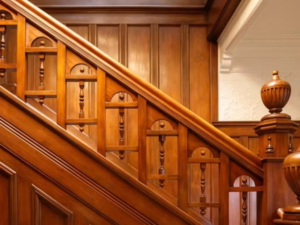
Hobson House contains a rich architectural language, with extensive timber detailing contributing to the character of its interiors.
Within that environment, new joinery needs restraint as much as craftsmanship.
The existing home provides the design direction, allowing new work to continue established forms rather than compete with them. When handled successfully, the transition between existing and new elements can become difficult to distinguish.
This approach is particularly valuable during substantial renovations, where a historic building may need to accommodate new requirements without losing the qualities that make it distinctive in the first place.
Outcome
New craftsmanship in an historic setting
Hobson House demonstrates a different side of bespoke timber joinery.
The skill isn’t always found in creating the most visually unusual window or door. Sometimes it lies in observing what already exists, understanding why it looks the way it does, and having the craftsmanship to reproduce that language in new work.
For owners, architects and builders working with historic properties, this ability can be essential to maintaining continuity as a building evolves.
At Hobson House, PK Joinery’s like-for-like approach allowed new timber joinery to take its cues from the home itself, respecting its established character while contributing to its ongoing use.
Talk to us about your
next project


