

Commercial Heritage Restoration Guide

Practical advice for building owners, developers and consultants working on heritage buildings.
Commercial heritage projects bring together very different objectives.
The first is preserving the character and significance of an existing building. The second is ensuring the building remains safe, functional and commercially viable for modern use.
Balancing these objectives requires careful planning.
Unlike residential heritage projects, commercial buildings are often subject to additional requirements relating to accessibility, fire safety, structural performance, building services and ongoing occupancy. Decisions made early in the project can influence approvals, budgets, construction programmes and long-term asset value.
This guide outlines the key considerations, common approval requirements and practical steps that help heritage commercial projects progress more smoothly.
Understanding Heritage Commercial Buildings
Heritage commercial buildings are often valued for more than their appearance.
Original facades, windows, doors, interiors and architectural detailing contribute to the identity of town centres, main streets and commercial precincts throughout New Zealand.
Many buildings continue to perform commercial functions long after their original purpose has changed. Former warehouses become offices. Historic retail premises become hospitality venues. Older civic buildings find new life through adaptive reuse.
The challenge is ensuring modern requirements can be accommodated without unnecessarily compromising the character that makes the building significant.
Understanding what is important about the building is usually the starting point for every successful heritage project.
Understanding Heritage Protection
Most heritage commercial buildings are protected through local council district plans.
Protection may apply to:
- Entire buildings
- Building facades
- Significant interiors
- Streetscape elements
- Heritage precincts and character areas
Some buildings are also recognised by Heritage New Zealand Pouhere Taonga.
In addition, archaeological protections may apply to older sites and should be considered where excavation or ground disturbance is proposed.
The extent of protection can significantly influence design decisions, approval pathways and project costs, making early investigation particularly valuable.
Understanding Project Risk Early
One of the most common causes of delay in heritage commercial projects is discovering significant constraints after design work has already begun.
Before substantial design work proceeds, it is worth establishing:
- Heritage status
- Building Code upgrade requirements
- Accessibility obligations
- Fire safety requirements
- Structural strengthening requirements
- Archaeological considerations
- Occupancy and staging constraints
Understanding these issues early helps create realistic budgets and project timelines.
Retain, Restore or Replace?
Few decisions have a greater impact on a heritage building than determining what should be retained, what can be restored and what requires replacement.
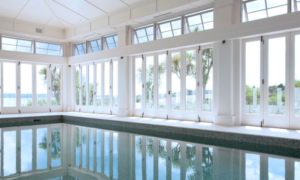
Original timber windows and doors are often among the most significant elements of a heritage building. They contribute to architectural character, tenant experience and street appeal.
A detailed assessment will often reveal opportunities to retain more original fabric than initially expected.
In other situations, deterioration, previous alterations or operational requirements may justify replacement.
The objective is rarely to replace heritage elements unnecessarily. Instead, the focus should be on protecting significance while supporting the building’s ongoing use and performance.
Building Performance and Heritage Outcomes
Commercial heritage projects often involve upgrading buildings to meet modern expectations.
This can include:
- Fire safety improvements
- Accessibility upgrades
- Seismic strengthening
- Building services upgrades
- Thermal performance improvements
- Security enhancements
The most successful projects consider these requirements alongside heritage objectives from the outset.
When upgrades are integrated into the design process early, there are often more opportunities to minimise visual impacts and preserve original character.
Understanding the Approval Process
Commercial heritage projects frequently involve multiple approval pathways.
Resource Consent
Councils assess how proposed work affects the significance and heritage values of the building.
Building Consent
Commercial projects commonly trigger requirements relating to:
- Fire safety
- Means of escape
- Accessibility
- Structural performance
- Durability
- Building services
Earthquake Strengthening
Many heritage buildings are affected by earthquake-prone building legislation.
Strengthening requirements can influence project scope, programme and cost.
Archaeological Authority
Additional approvals may be required where archaeological sites could be affected by construction activities.
Preparing a Strong Heritage Application
Successful applications are usually built on clarity rather than complexity.
Decision-makers need to understand:
- What is significant about the building
- What work is proposed
- Why the work is necessary
- How impacts will be managed
Supporting information may include:
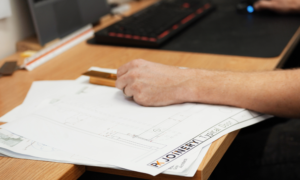
- Existing and proposed drawings
- Heritage assessments
- Material specifications
- Joinery details
- Structural reports
- Accessibility reports
- Fire engineering reports
The clearer the information, the smoother the approval process is likely to be.
Common Causes of Delay
Most delays are not caused by heritage protections themselves. More often, they result from coordination issues.
Common examples include:
Late Identification of Compliance Requirements
Fire, accessibility and structural upgrades are sometimes identified after design work is well underway.
Incomplete Documentation
Missing details or unclear drawings can result in requests for further information.
Poor Coordination Between Consultants
Heritage architects, engineers, planners and specialist trades all influence project outcomes. Alignment between disciplines is critical.
Underestimating Construction Staging
Occupied buildings often require careful planning to maintain operations and public access during construction.
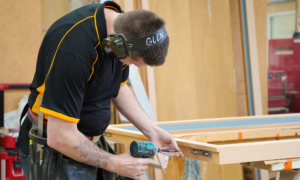
The Role of Specialist Joinery
Original timber windows and doors are often defining features of heritage commercial buildings.
They are also among the first elements tenants, customers and visitors notice.
Decisions relating to repair, restoration or replacement can influence heritage outcomes, consent processes and long-term asset value.
Specialist joinery input can support:
- Condition assessments
- Repair versus replacement decisions
- Accurate profile reproduction
- Heritage detailing
- Performance upgrades
- Consent documentation
- Long-term maintenance planning
Early involvement frequently identifies opportunities that may otherwise be overlooked.
How PK Joinery Can Help
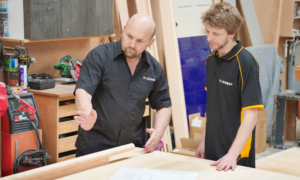
PK Joinery works alongside building owners, architects, developers and consultants on heritage commercial projects throughout New Zealand.
Our team can assist with:
- Assessing existing joinery condition
- Advising on restoration and replacement strategies
- Reproducing traditional timber profiles and detailing
- Preparing detailed joinery drawings
- Integrating modern performance requirements
- Coordinating with project consultants and stakeholders
Early engagement often helps simplify decision-making, reduce redesign and support smoother project delivery.
Commercial Heritage Project Checklist
Before You Begin
- Confirm heritage status
- Check Heritage New Zealand records
- Identify whether significant interiors are protected
- Assess potential archaeological requirements
- Confirm earthquake-prone building status
During Project Planning
- Engage heritage-experienced consultants
- Assess repair versus replacement opportunities
- Identify Building Code upgrade requirements
- Confirm occupancy and staging constraints
- Establish realistic project budgets and timelines
Before Consent Applications
- Prepare existing and proposed drawings
- Document heritage significance
- Prepare material and finish schedules
- Coordinate structural, accessibility and fire reports
- Review joinery requirements
Before Construction
- Confirm all approvals are in place
- Protect significant heritage fabric
- Coordinate construction staging
- Ensure project teams understand heritage requirements
- Confirm documentation aligns with approved designs
The most successful heritage commercial projects recognise that preservation and progress are not competing objectives.
Historic buildings continue to contribute value because they remain useful, relevant and occupied.
Good planning, clear documentation and experienced project teams help ensure that heritage character is protected while creating buildings capable of serving future generations.
Every heritage building has a story. Careful restoration ensures that story continues.