

The Homeowner’s Guide to Timber Windows & Doors

Spend any time walking through New Zealand’s older suburbs and you’ll quickly see the role timber joinery plays in defining the character of a home.
The proportions of a villa window. The detailing around a bungalow entrance. The craftsmanship visible in a set of French doors. These features contribute as much to the personality of a home as the architecture itself.
For many homeowners, windows and doors are only considered when something goes wrong. A window becomes difficult to open. Paint begins to fail. Moisture finds its way into ageing timber. A renovation project reveals decades of previous repairs hidden beneath layers of paint.
Others begin the journey from a different starting point. An architect has drawn a new home and timber has been specified as part of the design. A family wants to improve the comfort and energy efficiency of an older house while retaining its original character. A heritage building owner needs to balance preservation with modern performance expectations.
Every project is different, but the questions tend to be similar.
How long does timber joinery last?
Can heritage windows be upgraded?
How much maintenance is involved?
Is timber worth the investment?
What should I be looking for when choosing a joinery company?
This guide answers those questions and provides practical advice gathered from years of working with homeowners, architects and builders throughout New Zealand.
Understanding the Role of Timber Joinery
Good joinery does much more than fill an opening in a wall.
It influences the appearance of a home, affects thermal comfort, contributes to energy efficiency and plays a significant role in protecting the building from the elements.
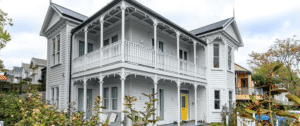
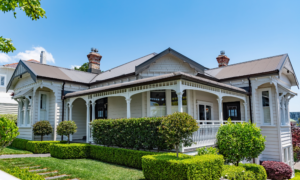
In character homes, joinery often forms a substantial part of the home’s architectural identity. Remove the original windows from a villa or bungalow and the entire appearance of the property changes.
In contemporary homes, timber introduces warmth, texture and craftsmanship that complements modern architecture.
That combination of beauty and performance is one of the reasons timber continues to be chosen for both restoration projects and new builds.
Why Timber Continues to Be a Popular Choice
Building materials evolve over time, but timber remains highly regarded for several reasons.
Character and Warmth
Timber possesses qualities that are difficult to replicate with manufactured materials.
Natural grain patterns, texture and subtle variation give each piece its own unique appearance.
Painted finishes create crisp architectural lines while stained finishes showcase the timber itself.
Design Flexibility
Timber can be machined, shaped and detailed to suit an enormous variety of applications.
From faithfully reproducing a century-old sash window to creating large architectural doors, timber provides flexibility that is highly valued by designers and homeowners alike.
Longevity
Quality timber joinery has an impressive lifespan.
Many homes throughout New Zealand still contain timber windows and doors that have been functioning for decades. Some have exceeded one hundred years of service.
The key factors are quality materials, good design, professional installation and ongoing maintenance.
Repairability
Unlike many modern materials, timber can often be repaired.
Individual sections can frequently be restored or replaced without requiring an entirely new window or door system. This can significantly extend the life of the joinery and preserve original character features. One of the first decisions homeowners face is whether existing timber joinery should be repaired, restored or replaced.
Choosing Timber for a Character Home
Older homes present unique challenges and opportunities.
Many villas, bungalows and character homes contain original timber joinery that contributes significantly to their appeal and value. Any changes should be carefully considered.
The first decision is often whether existing joinery should be repaired or replaced.
In some cases, restoration is entirely practical. Deteriorated sections can be repaired, hardware can be refurbished and performance can be improved while retaining the original fabric of the home.
In other situations, replacement may be the better long-term solution.
The goal is usually the same: preserving the character of the property while improving functionality, comfort and durability.
Achieving this requires careful attention to proportions, profiles, mouldings and detailing.
Small differences can have a surprisingly large impact on the appearance of a home.
Modern Performance in Traditional Timber Windows
Many homeowners are surprised by what can now be achieved with modern timber joinery.
A common assumption is that upgrading performance requires sacrificing character. In reality, contemporary manufacturing techniques and glazing systems allow significant improvements while maintaining traditional aesthetics.
- Depending on the project, options may include:
- Double glazing
- Low-E glass
- Improved weather sealing
- Enhanced hardware
- Acoustic glazing
- Safety glazing
The most appropriate solution depends on the age of the building, heritage requirements and the owner’s objectives.
Each project should be assessed individually to determine what improvements can be achieved without compromising architectural integrity.
Understanding Glazing Options
Glass plays a major role in comfort and performance.
While the joinery frame provides structure and character, glazing influences heat retention, solar gain, noise reduction and safety.
Double Glazing
Double glazing consists of two panes of glass separated by a sealed cavity.
This improves insulation, reduces heat loss and generally creates a more comfortable indoor environment.
Low-E Glass
Low-emissivity coatings help manage heat transfer while maintaining natural light levels.
These coatings can improve energy efficiency and contribute to year-round comfort.
Acoustic Glazing
Noise can be a significant consideration in urban areas, near transport corridors or in busy neighbourhoods.
Acoustic glazing helps reduce external noise entering the home.
Safety Glass
Specific locations within a home require safety glazing to meet Building Code requirements.
These requirements should be considered early in the design process.
What Influences the Cost of Timber Joinery?
Homeowners frequently ask for a simple answer to this question.
The reality is that timber joinery is highly customised, and project costs are influenced by numerous factors.
These may include:
- Window and door sizes
- Joinery configuration
- Timber selection
- Glazing specification
- Hardware choices
- Heritage detailing requirements
- Site conditions
- Installation complexity
Two homes of similar size can have very different joinery requirements.
The most accurate approach is to assess the specific needs of the project and develop a solution tailored to those requirements.
The Process From Concept to Completion
Understanding the process helps homeowners plan with confidence.
Initial Consultation
The project begins with a discussion about goals, priorities and practical requirements.
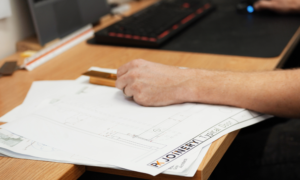
This stage often involves reviewing plans, photographs or existing joinery.
Design and Specification
Details are developed, materials are selected and performance requirements are established.
For restoration projects, this stage may include matching existing profiles and detailing.
Site Measurement
Accurate measurements are essential to ensure a precise fit.
Manufacture
Timber is machined, assembled and prepared according to the agreed specification.
Delivery and Installation
Completed joinery is delivered to site and installed by experienced professionals.
Finishing and Handover
Final adjustments are completed, coatings are applied where required and maintenance information is provided.
Looking After Timber Joinery
Timber is a natural material and benefits from regular care.
Maintenance requirements vary depending on exposure, location and finish type, but several principles apply to almost every project.
- Keep surfaces clean.
- Inspect coatings periodically.
- Address small issues before they become larger problems.
- Follow coating manufacturer recommendations.
- Maintain sealants and hardware.
- Homes exposed to harsh coastal environments may require more frequent maintenance than those in sheltered locations.
A proactive approach to maintenance can significantly extend the life of the joinery.
Before You Commit
Choosing a joinery supplier is an important decision.
Experience, capability and attention to detail can have a lasting impact on the outcome of your project.
Questions worth asking include:
- Have you completed similar projects?
- Can you match existing heritage profiles?
- What timber options do you recommend for this application?
- What glazing solutions are available?
- What level of maintenance should I expect?
- How long will manufacture take?
- What warranty is provided?
A good joinery company should be able to answer these questions clearly and confidently.
Craftmanship that endures
Quality timber joinery represents a long-term investment in the appearance, comfort and value of a home.
For some projects, the priority is preserving original character. For others, it is creating a contemporary architectural statement. Many sit somewhere in between.
The common thread is craftsmanship.
Well-designed timber windows and doors have the ability to enhance a home in a way few other building elements can. They contribute to everyday comfort, complement the architecture and create a connection between the building and the people who live within it.
Taking the time to understand the options available and working with experienced professionals will help ensure the finished result continues to perform and look beautiful for many years to come.