




Heritage Restoration Guide for Homeowners

Practical advice for planning, restoring and improving a heritage home
Few renovation projects carry the same sense of responsibility as work on a heritage home.
The timber windows, doors, mouldings and architectural details that define these properties have often survived for generations. They tell the story of the people who built them and contribute to the character of the streets and communities around them.
Owning a heritage home can be immensely rewarding. It also comes with additional responsibilities. Decisions that might be straightforward on a modern property often require greater consideration when working on a protected building.
Questions around restoration, replacement, council approvals and heritage requirements can quickly become overwhelming, particularly for homeowners undertaking their first heritage project.
This guide explains the key considerations, common approval requirements and practical steps that can help your project progress smoothly while protecting the character that makes your home unique.
Understanding Heritage Protection
Not all heritage homes are protected in the same way.
Some properties are individually scheduled because of their historical, architectural or cultural significance. Others sit within heritage precincts or character areas where specific controls apply to the wider streetscape rather than individual buildings.
The first step in any heritage project is understanding what protections apply to your property.
This information is usually available through your local council’s district plan, heritage schedule or online property records.
Knowing where your home sits within the planning framework will help shape decisions about restoration, alterations and future improvements.
Repair, Restore or Replace?
One of the first decisions homeowners face is whether existing timber joinery should be repaired, restored or replaced.
There is rarely a single correct answer.
Many heritage homes contain a mixture of original joinery, previous repairs and later alterations. Some windows may be in excellent condition while others have reached the end of their practical lifespan.
Restoration is often appropriate where original joinery remains structurally sound and contributes significantly to the character of the home.
Repairs may include:
- Replacing deteriorated timber sections
- Refurbishing hardware
- Repairing glazing systems
- Restoring decorative details
- Improving operation and weather sealing
In other situations, replacement may provide the best long-term outcome.
Extensive deterioration, previous modifications or performance requirements can make replacement a more practical solution.
The objective should always be the same: preserving the architectural character of the building while ensuring it remains comfortable, functional and durable for future generations.
Improving Comfort Without Losing Character
Many homeowners assume they must choose between preserving character and improving performance.
In practice, heritage projects often achieve both.
Advances in manufacturing, glazing and weather sealing mean timber joinery can now deliver levels of comfort and performance that were simply not possible when many heritage homes were originally built.
Depending on the property and applicable heritage requirements, improvements may include:
- Double glazing
- Improved weather sealing
- Updated hardware
- Enhanced security
- Better ventilation
- Improved thermal performance
Every project requires its own approach, but preserving character and improving everyday comfort are often entirely compatible objectives.
Understanding the Approval Process
Heritage projects commonly require additional approvals before work begins.
The specific requirements vary between councils and individual properties, but three approval pathways are encountered most frequently.
Resource Consent
Resource consent may be required where proposed work affects heritage values or changes the appearance of a protected building.
Councils assess how the proposed work will impact the significance of the property and whether appropriate measures have been taken to protect heritage character.
Building Consent
Heritage homes remain subject to the Building Code.
Structural work, weatherproofing improvements, drainage, fire safety upgrades and other building work may require building consent.
Archaeological Authority
Where archaeological sites may be affected, additional approvals may be required before excavation or construction can commence.
This process is separate from council approvals.
Preparing a Strong Heritage Application
Successful heritage applications are usually built on clear information rather than lengthy reports.
Councils generally want to understand:
- What is significant about the property
- What work is proposed
- How the work affects heritage values
- How significant features will be protected
Supporting information commonly includes:
- Existing and proposed drawings
- Photographs
- Material specifications
- Joinery details
- Finishing schedules
- Written explanations of the proposed work
Clear documentation reduces uncertainty and often leads to a smoother approval process.
Common Mistakes Homeowners Make
Many delays occur for reasons that are entirely avoidable.
Some of the most common issues include:
Starting Design Work Too Early
Major design decisions are sometimes made before heritage requirements are fully understood.
Assuming Replacement Is Automatically Approved
Even where joinery is deteriorated, councils may expect evidence showing why replacement is necessary.
Incomplete Documentation
Missing drawings, unclear photographs or insufficient detail can lead to requests for further information.
Leaving Heritage Advice Until Late in the Process
Early input from heritage specialists often helps identify issues before they become expensive problems.
Working With Heritage Specialists
Heritage projects involve a different set of considerations from standard renovations.
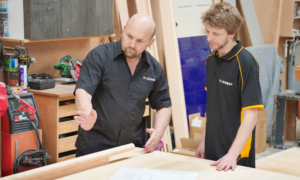
Architects, planners, builders and joinery specialists with heritage experience understand the balance between preservation, practicality and compliance.
- Early collaboration often helps:
- Clarify approval requirements
- Identify restoration opportunities
- Avoid unnecessary redesign
- Improve documentation quality
- Reduce project risk
The earlier specialist advice is sought, the more options are usually available.
How PK Joinery Can Help
Heritage joinery requires more than accurate measurements and quality materials.
Success often depends on understanding traditional construction methods, original detailing and the expectations of heritage projects.
PK Joinery regularly works with homeowners, architects and builders on villas, bungalows, character homes and heritage buildings throughout New Zealand.
Our team can assist with:
- Assessing existing timber joinery
- Advising on restoration and replacement options
- Reproducing traditional profiles and mouldings
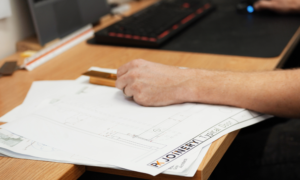
- Preparing detailed joinery drawings
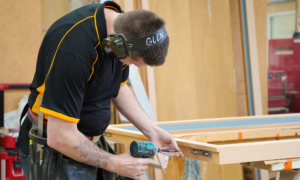
- Manufacturing replacement joinery that respects original character
- Improving performance while retaining heritage integrity
Early involvement often helps avoid unnecessary redesign, delays and unexpected costs.
Heritage Restoration Checklist
Before You Begin
- Confirm heritage status with your local council
- Check Heritage New Zealand records
- Photograph existing conditions
- Identify areas requiring repair or replacement
- Gather any original drawings or historical information
During Project Planning
- Confirm approval requirements
- Prepare existing and proposed drawings
- Document materials and finishes
- Identify significant heritage features
- Consider restoration before replacement
During Design
- Retain original character wherever practical
- Match existing profiles and detailing
- Carefully document proposed upgrades
- Confirm heritage requirements are reflected in drawings
Before Construction
- Ensure all approvals are in place
- Confirm contractors understand heritage requirements
- Protect existing heritage fabric
- Verify materials and profiles before manufacture begins
The most successful heritage projects begin with a clear understanding of what makes a property special.
Every decision, from a replacement window profile to a major restoration programme, contributes to the long-term future of the building.
Careful planning, good documentation and experienced advice can help ensure the character of the home is preserved while creating a comfortable and functional place to live.
Heritage restoration is rarely about turning a home into a museum. It is about respecting the past while ensuring these buildings continue to be enjoyed for generations to come.